Process Guide · Updated June 2026
From Design to Install: What Actually Happens When You Wrap a Fleet
Most business owners only see the finished result. Here's what actually happens behind the scenes — from first call to driving off with a fully wrapped fleet.

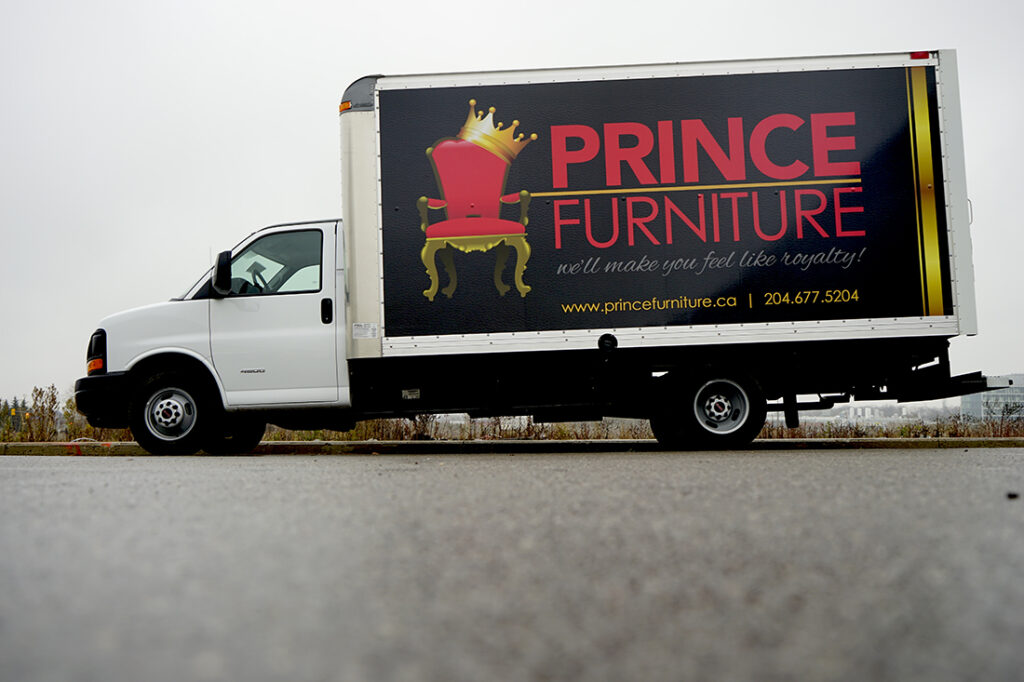
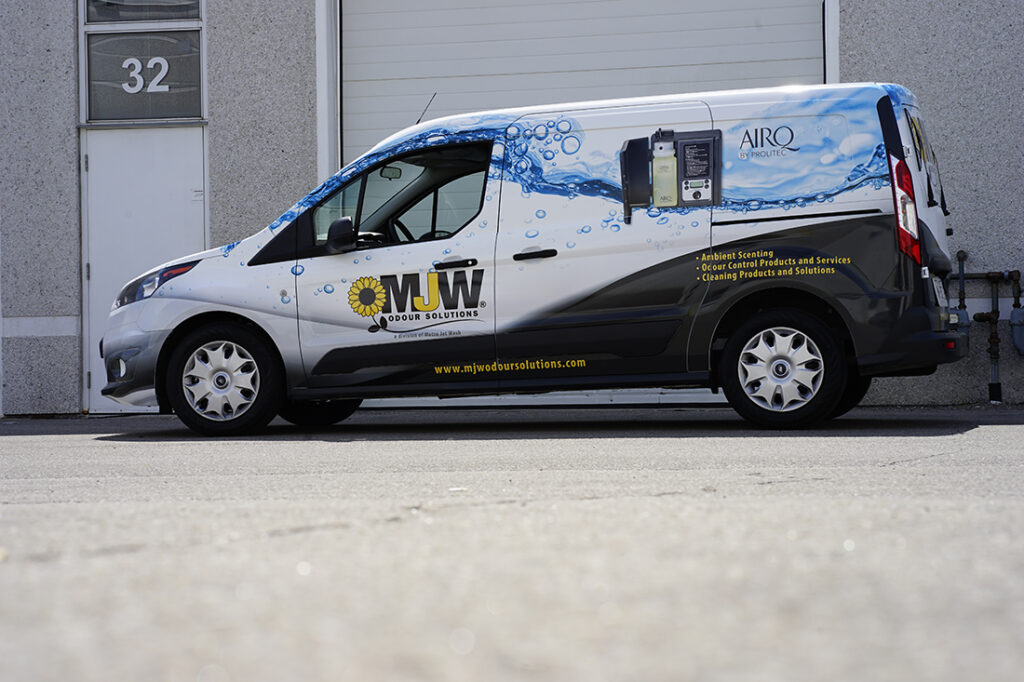
The 4-Stage Process
Why the Process Matters More Than You'd Think
A fleet wrap isn’t just printing a design and slapping it on a truck. Rushed measurements, poor surface prep, or skipped design revisions are the most common reasons a wrap looks great in a mockup but disappointing on the actual vehicle — misaligned graphics across panels, bubbling at curves, or a logo that gets awkwardly cut by a door seam.
Knowing what the process should look like helps you spot a rushed job before you commit to it.
Frequently Asked Questions
How accurate does the design need to be before installation?
Very. We measure each vehicle individually rather than using generic templates, because even small variations between model years can shift where graphics need to wrap around panels, mirrors, and door handles.
Can I make changes during the design phase?
Yes — revisions are included before production. We won't move to printing and installation until you've approved a final proof.
What happens if something looks off during installation?
Our installers catch most alignment issues before they become a problem, but every job ends with a walkthrough where you can flag anything before signing off.
How far in advance should I schedule a fleet installation?
For fleets of 3 or more vehicles, we recommend booking 1–2 weeks out to allow for proper design time and staggered installation scheduling, so you're never without your full fleet on the road.